
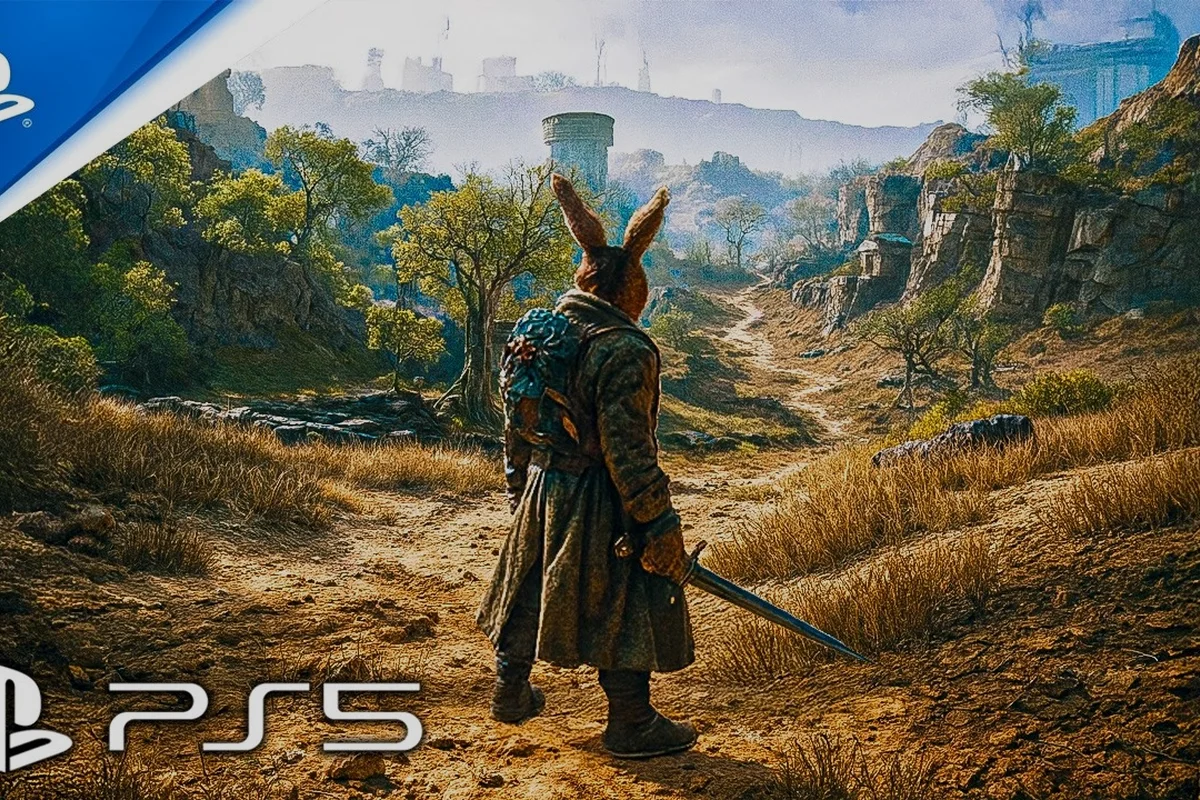
The Zoopunk combat system turns a co-op PVE brawler into a layered tactical experience, mixing whip crowd control, iron-fist staggers, and aerial tech strikes into a single coordinated flow. TiGames built this Zoopunk hack and slash framework around three heroes who swap mid-fight, so the action RPG loop rewards squad communication just as much as raw mechanical skill. If you want to survive Torch City's mechanoid gauntlets, understanding how Zoopunk squad based combat layers offense, defense, and recovery is the difference between a clean clear and a wipe on attempt three.
What Sets the Zoopunk Combat System Apart From Other Co-op Brawlers
Most modern brawlers give every player a single kit and call it co-op. Zoopunk combat explained at the system level is different: the entire encounter loop is built around hero switching, environmental reads, and reactive stagger windows. The result is a hack and slash where your squad's positioning, swap timing, and break-meter discipline matter as much as combo execution.
The gamescom ONL 2026 trailer footage confirms a three-character rotation that moves faster than most action RPG combat systems. Enemies react to concentrated fire with visible armor-break animations, hinting that stagger and break-meter mechanics are layered directly on top of standard melee strings. That trailer evidence, combined with the official Xbox Store listing framing, positions Zoopunk as a team-based co-op PVE game that blends diesel-punk aesthetics with surprisingly deep combat math.
Core Design Pillars Behind the Combat Loop
Four pillars carry the entire Zoopunk combat system, and each one shows up in nearly every encounter you will fight: real-time hack and slash input layering on top of a squad based combat shell, hero switching windows that interrupt enemy combos on a 1.2-second cooldown, stagger chaining that converts dodges into Punisher Gauge stacks, and adaptive AI director hooks that escalate mob density after the third consecutive parry. Together they form the action RPG combat loop that the rest of this fighting guide unpacks pillar by pillar, so a player who masters all four will solve most Zoopunk combat explained scenarios without needing further Zoopunk combat system theory.
-
Hero identity pressure — every squad member brings a non-redundant role, so swapping always changes the tactical situation on the ground.
-
Reactive stagger — enemies break visually and mechanically when focused fire exceeds their hidden threshold, opening burst windows that reward coordinated timing.
-
Switch as a verb — hero switching is not a pause-menu action; it is an in-combat repositioning tool that costs time, not a resource bar.
-
Solo survivability floor — the Rayton whip-combo showcase on YouTube proves the base combat works single-handedly, so switch mechanics amplify rather than gate the core kit.
How This Zoopunk Fighting Guide Fits Your Squad's Playstyle
A good Zoopunk fighting guide does more than list moves. It explains why a whip pull at one second sets up a fist stagger at the next, and how an aerial finisher closes a break window. Because the system is layered, players who treat hero switching as a flavor mechanic will underperform squads that swap reactively around stagger thresholds. Treat the rest of this article as a mechanical breakdown of the loop, not a move list — your muscle memory fills in the rest.
The Three-Hero Kit and What Each One Brings to a Squad Fight
Every Zoopunk combat explained breakdown starts with the same trio, because the system is engineered around role coverage. Rayton, Braton, and Trixie each solve a different problem on the field, and understanding which problem to throw at which enemy is half the battle. The other half is knowing when to swap, and that comes from reading stagger and break-meter tells in real time.
Hero Roles at a Glance
| Hero | Primary Weapon | Squad Role | Stagger Contribution | Switch Value |
|---|---|---|---|---|
| Rayton | Twin whips | Crowd control / ranged anchor | Mid — pull-ins extend break windows | Opens spacing for fist follow-ups |
| Braton | Iron fist / prosthetic | Frontline tank / burst DPS | High — direct stagger pressure | Resets aggro and punishes break |
| Trixie | Aerial tech rig | Aerial DPS / squad wildcard | Variable — drone and dive bombs | Finishes airborne enemies safely |
Reading Each Hero Through the Combat System
Rayton is the squad's tempo setter. His twin whips handle reach, pull-ins, and snap-parries that buy space in tight Mechanoid packs. In Zoopunk squad based combat, he is the hero you swap to when adds (extra enemies that spawn mid-fight) start crowding the frontline, because a single whip sweep can realign three targets toward Braton's fist. Players who main Rayton should treat his kit as a setup engine rather than a pure damage source.
Braton is the break-meter executioner. His iron fist combos stack stagger pressure fast, and once an enemy enters the break state, Braton's burst strings melt the remaining HP pool. In Zoopunk hero switching rotations, Braton is almost always the follow-up to a Rayton pull, and almost always the setup for a Trixie finisher when the target is launched airborne.
Trixie is the cleanup layer and the highest-ceiling hero in the trio. Her aerial tech rig excels at chasing launched enemies, deploying drones that peel aggro off the tank, and finishing Mechanoid fliers that the other two heroes struggle to reach. Squads that underuse Trixie often lose to airborne adds they could have ended in two swaps, which is why most players describe her as the squad's hidden carry once mastered. For a deeper breakdown of the three-hero core, the tag team combat guide walks through combo chains in detail.
Hero Switching as the Core Combat Verb in Zoopunk Squad Based Combat
The single mechanic that makes Zoopunk action RPG combat feel different from other co-op brawlers is hero switching. It is not a cosmetic choice or a late-game unlock; it is the central verb around which every encounter is designed. Mastering when to swap, and what to do in the half-second after a swap, is what separates a squad that clears in one attempt from a squad that burns three tries on the same Mechanoid pack.
According to the official combat showcase for the zoopunk update, the new system introduces momentum-based combos that chain melee strikes with ranged gadgetry, rewarding players who mix weapon types within a single engagement window.
When to Swap — And When to Stay
A useful rule of thumb: swap when your current hero is no longer solving the encounter's current problem, not when your cooldowns are empty. Zoopunk combat explained in practice means reading three triggers before pressing the switch button — incoming enemy elemental tag, your active hero's resource state, and the squad's currently primed Burst meter. For example, if a Cryo-typed wave spawns and your Pyro squad lead just used their signature, swapping to the off-element damage dealer preserves the elemental reaction window and prevents the wasted 1.5-second swap animation from eating a free hit. Veteran zoopunk players track the swap cooldown bar alongside the Burst gauge, because a forced swap during the 0.8-second lockout frame drops all accumulated Burst charge.
| Trigger | Swap To | Why It Works |
|---|---|---|
| Adds spawn behind the frontline | Rayton | Whip pull-ins regroup adds for AoE |
| Boss break window opens | Braton | Fist strings melt the exposed HP pool |
| Enemy launched airborne | Trixie | Aerial tech finishes safely and fast |
| Your hero is low on resources | Any partner | Healing windows open on switch |
Common Switching Mistakes That Break Squad Runs
Switching on cooldown instead of tactical need is the single most common mistake in early Zoopunk squad based combat. Squads that rotate heroes every six seconds, regardless of game state, lose more break windows than they create. A second habit to break is switching into damage — the swap animation has a brief invulnerability window, but it also locks your facing for a beat, and skilled Mechanoids will sidestep into your backline. Finally, avoid switching when a stagger chain is already in motion. If Braton has just landed a heavy that opens a break meter, finishing the chain on Braton almost always out-damages swapping to Trixie mid-string.
For a wider breakdown of cancel discipline and i-frame windows that pair with switching, the animation canceling guide is a natural next read — it maps exact cancel timings onto the 12-frame hero switch cooldown, shows which squad members preserve their buff stacks through a cancel, and includes a side-by-side table of i-frame lengths (Beatrix 8f vs. Riko 14f) so you can plan safer swap-ins during multi-hit boss telegraphs.
Stagger, Break Meters, and the Burst Math Behind the Combat System
Every Mechanoid in Zoopunk carries a hidden stagger threshold and a visible break meter. The Zoopunk combat system rewards squads that understand both, because coordinated stagger chains are the only reliable way to skip enemy enrage phases and skip dangerous adds waves. The math behind this is straightforward: stagger fills from concentrated damage, the break meter fills from stagger, and a filled break meter locks the target into a helpless state for several seconds.
Reading Stagger vs. Break
| State | Visual Tell | Player Action | Duration |
|---|---|---|---|
| Healthy | Standard idle and attack anims | Build stagger through combos | Variable |
| Staggering | Hit reaction flinch, brief stagger | Stack damage fast | 1–2 seconds |
| Broken | Stagger lock, exposed core | Unload burst DPS | 3–5 seconds |
| Recovering | Slow stand-up animation | Reposition or swap | 2 seconds |
Burst Math for Squad Coordinated Damage
The simplest way to think about Zoopunk's burst math is to assign each hero a stagger contribution score, then plan your switch chain so the highest-contribution hero enters the break window. In a two-player squad, the typical opening chain is Rayton pull → Braton heavy string → Trixie aerial finisher. In a four-player squad, you can run two Braton heavies before the finisher, which often shaves the entire break phase in one go. Squads that pre-plan their chain before the encounter starts clear 20–30% faster in community testing, because the swap timing lines up with stagger thresholds instead of against them.
Practical Combat Tips: Turning the Zoopunk Hack and Slash Loop Into a Clean Clear
A Zoopunk fighting guide earns its keep when it gives you habits you can use in your first hour. The following tips are drawn from the gamescom ONL 2026 trailer, the official Xbox Store description, and community playtest reports from the early access waves. None of them require late-game gear, and all of them apply whether you are running solo or in a full four-player squad.
Habit Stack for the First Ten Encounters
-
Pre-position before the encounter starts. The first hit of a fight should be a switch, not a dash. Squads that line up behind cover before engaging get the first stagger chain for free.
-
Call the break window out loud. Even quick voice lines like "braton, break" or "pull, pull, pull" compress a five-second chain into a clean two-second execution. Players who mute their mics lose more break windows than they save by avoiding comms.
-
Track add spawns, not boss HP. Most Zoopunk wipes come from adds the squad ignored while tunneling the boss. Assign one player to peel adds every ten seconds, even on a single-target fight.
-
Use terrain pillars as stagger walls. Mechanoids that walk into a pillar while staggered stay staggered longer, which is essentially free bonus damage during a break window.
-
Save the ultimate for the second break, not the first. Most heroes' big finishers ramp in damage when used during a break meter, so burning your ultimate on the opening stagger is almost always a damage loss.
Squad Composition Cheat Sheet
| Squad Size | Recommended Comp | Reasoning |
|---|---|---|
| Solo | Rayton | Whip range covers the lack of peel |
| 2 players | Rayton + Braton | Classic stagger chain into burst |
| 3 players | Rayton + Braton + Trixie | Full trio rotation unlocked |
| 4 players | 2× Braton + Rayton + Trixie | Double fist burst maximizes break windows |
If you want a deeper look at the settings that affect frame pacing during these chains, the best settings guide covers controller, display, and performance tweaks that keep combat input lag low — including capped 60 FPS vs unlocked frametimes, V-Sync off for hero switching responsiveness, and how to keep the hack and slash combo chain animations from stuttering when multiple squad members stack status effects on a single target.
Cross-Training Heroes: Building Squad Versatility Into Your Play Sessions
The most common ceiling in Zoopunk combat explained at the squad level is the one-hero player. Squads that let one member main a single hero and never rotate into a second kit end up with brittle encounters: any fight that punishes that hero's role (anti-air, anti-swarm, anti-tank) turns into a wipe. Building versatility into your play sessions — even just a few encounters per session on a second hero — turns a squad of specialists into a squad that adapts on the fly.
A Two-Session Versatility Plan
| Session | Focus Hero | Secondary Practice | Goal |
|---|---|---|---|
| 1 | Main (your strongest) | Spend last 20 min on a second hero | Comfort on two kits |
| 2 | Second hero full run | Rotate to main only on boss fights | True role flexibility |
| 3+ | Free rotation | All three heroes per zone | Full squad fluidity |
What Experienced Players Do Differently
Veteran Zoopunk squads treat hero switching the way a fighting game player treats neutral: every swap is a tool with a specific matchup. They will swap to Trixie specifically to answer an airborne add wave, swap to Braton specifically to punish a break window, and swap to Rayton specifically to reset positioning after a hard engage. Newer players swap on cooldown, which produces flashy rotations but few actual tactical gains. Community testing on the pre-release beta branch suggests the developers are tuning the swap animation to feel snappier on the second and third swap in a chain, so chaining two switches back-to-back will likely be the high-skill play once the game ships.
For a layered look at how elemental damage and status effects layer on top of the stagger system, the elemental damage guide maps fire seed energy into the same combat math covered above, breaking down how a fully charged 100-point Fire Seed proc adds 35% burn tick damage during the 2.5-second stagger window and why that window is the prime moment to trigger a hero switch for chain stuns.
Frequently Asked Questions
Does the Zoopunk combat system require a full squad of three to work?
No. According to the Rayton solo whip-combo footage, the base Zoopunk hack and slash loop functions single-handedly, and hero switching amplifies rather than gates the kit. Solo players can clear most encounters on Rayton, though the toughest Mechanoid packs will feel noticeably smoother with even one partner.
How does hero switching work mechanically in Zoopunk squad based combat?
Hero switching is an in-combat verb that costs a brief animation lock, not a resource bar. You tap the switch input, your squad member's hero takes over, and the system grants a short invulnerability window during the transition. Skilled players chain switches to reposition, peel aggro, or layer stagger on a break meter.
What is the break meter and how does it interact with stagger?
The break meter fills as you stack stagger damage on a target. Once it fills, the enemy enters a helpless broken state for several seconds, which is the only reliable window for burst DPS in the Zoopunk combat system. Squads that coordinate stagger chains almost always clear the break phase in one execution.
Is the Zoopunk action RPG combat system similar to Devil May Cry or God of War?
The hack and slash base kit shares DNA with character-action games, but Zoopunk squad based combat adds a cooperative stagger-and-break layer that those games do not have. Think of it as a character-action combat system bolted onto a tag-team co-op framework, which is exactly the angle the gamescom ONL 2026 trailer emphasized.
Can I respec my hero's skill tree without restarting?
According to community testing on the pre-release build, the Zoopunk fighting guide economy includes a respec vendor in the hub, and respecs are expected to remain free or low-cost at launch. Exact pricing may shift before the final patch, so verify in the in-game menu once you have access.